Your Complete Guide to CPR Instructor Training Costs: Fees, Requirements, and the Rewards of Becoming an Expert Trainer
Becoming a certified CPR instructor is more than a passion; it’s a powerful commitment requiring an investment in specialized courses, essential materials, and ongoing professional development. This comprehensive guide will illuminate every expense, from prerequisite certifications and dynamic online modules to hands-on classroom instruction, necessary equipment, and future renewal fees, including how regional differences can impact your total investment. You’ll gain insights into comparing offerings from leading organizations like the American Heart Association (AHA), Red Cross, and Health and Safety Institute (HSI), learn to calculate your potential return on investment, explore valuable financial aid options, and chart a clear path to becoming—and remaining—a highly qualified instructor. By the end, you’ll possess a confident financial roadmap, ready to launch your impactful, life-saving career and join the esteemed team of expert trainers at CPR Training School.
Understanding the Core Investments in Your CPR Instructor Training
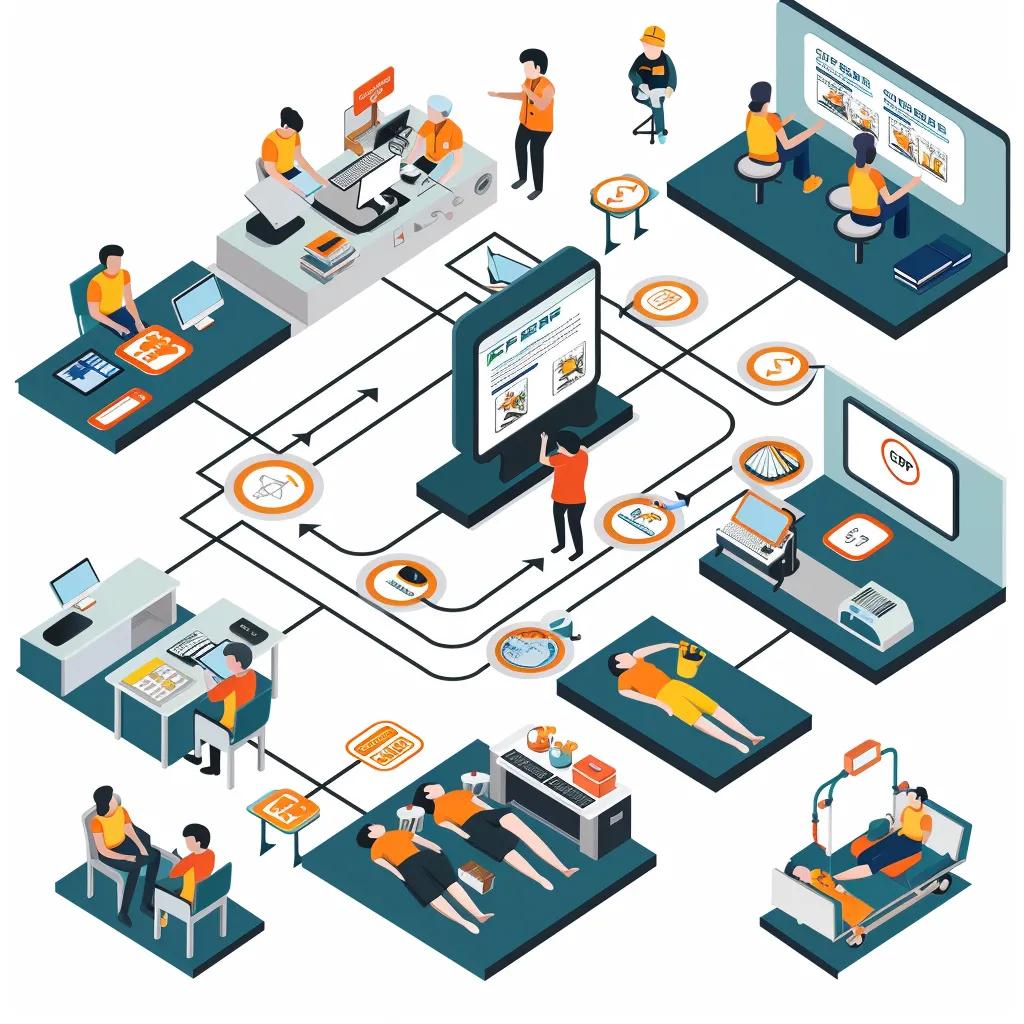
Your journey to becoming a CPR instructor involves several vital components: prerequisite certifications, engaging online preparatory modules, immersive hands-on sessions, and crucial monitoring fees. Together, these elements form a complete credentialing pathway designed to build your expertise, ensure full compliance with American Heart Association standards, and empower you with the authority to teach critical, life-saving skills.
Your Investment to Become a CPR Instructor
The total investment to become a certified CPR instructor typically ranges from $1,000 to $3,500. This comprehensive figure covers essential certification courses, necessary equipment, and ongoing professional fees. Please note that these costs can vary based on your chosen certifying organization, the specific training format, and the required materials [7].
Source: Vertex AI Search, How Much Does It Cost to Become a CPR Instructor in 2025? (2025)
Investing in Foundational Skills: BLS and Heartsaver Prerequisite Costs
These essential prerequisite certifications build your foundational competency in basic life support (BLS) and Heartsaver first aid. You can expect these crucial credentials to typically range between $50 and $100 per course, with variations based on the provider, training format, and included materials.
- BLS Provider Course: Your foundational step, typically $60–$85
- Heartsaver CPR/AED with First Aid: Essential for comprehensive training, $55–$95
Many providers offer convenient bundled pricing for group registrations. Securing these prerequisites is a vital step, ensuring your eligibility for instructor training and confirming your mastery of core resuscitation techniques, thereby perfectly setting the stage for your advanced educator coursework.
The Value of the AHA Instructor Essentials Online Course
Enrolling in this dynamic online module provides immediate access to engaging videos, interactive scenarios, and comprehensive downloadable instructor manuals. This crucial preparatory step significantly streamlines your in-person sessions and efficiently reduces hands-on hours by thoroughly equipping you with essential teaching methodologies and adherence protocols.
Investing in Practical Skills: Hands-On Classroom Instructor Training Costs
Our immersive in-person sessions are where theoretical knowledge transforms into practical expertise through expert-supervised instruction, precise skill demonstrations, and valuable peer assessments. Fees for these vital sessions vary by discipline:
- BLS Instructor Course: $300–$450
- Heartsaver Instructor Course: $275–$400
- ACLS Instructor Course: $500–$650
- PALS Instructor Course: $500–$700
Tuition for these courses can be influenced by class sizes, regional pricing, and available blended-learning discounts. This hands-on training is crucial for solidifying your teaching techniques, mastering skill verification, and refining student evaluation processes, ultimately empowering you to confidently lead certification courses.
Understanding Monitoring Fees: Ensuring Quality Instruction
Monitoring fees are an essential investment, covering professional oversight during your initial teaching experiences. American Heart Association policy mandates that a seasoned mentor instructor observe and validate your first two class deliveries, ensuring the highest quality instruction.
- Monitoring Fee per Course: $50–$75
This vital fee ensures rigorous quality control, helps refine your instructional delivery, and fulfills all AHA credentialing requirements. Once successfully monitored, you will earn full instructor privileges, significantly reducing the need for future oversight.
Beyond Initial Certification: Ongoing Investments for CPR Instructor Excellence
Beyond your initial certification, successful instructors continue to invest in high-quality equipment, timely renewals, essential insurance, and ongoing continuing education. These commitments are crucial for maintaining your active status and ensuring instructional excellence. These ongoing expenses are vital for safeguarding the quality of your students’ learning experience and upholding your professional credibility.
Essential Tools for Success: Required Training Equipment and Materials Costs
Choosing durable manikins and versatile, multifunctional AED trainers is a strategic decision that ensures long-term usability across numerous classes and strongly supports your adherence to the highest best-practice standards.
Maintaining Your Status: Certification Renewal Fees and Frequency
- Renewal Fee (AHA): $75
- Renewal Fee (Red Cross): $65
- Renewal Fee (HSI): $70
Timely renewal is crucial; it confirms your up-to-date knowledge of the latest curriculum changes and ensures you have access to fresh educational materials, thereby enabling your continued, uninterrupted course delivery.
Protecting Your Practice: The Importance and Cost of Liability Insurance
Liability insurance is a vital safeguard, protecting instructors against potential claims related to training incidents. Comprehensive coverage typically includes both general liability and professional errors and omissions, offering peace of mind.
- Annual Premium: $150–$499
Maintaining robust insurance coverage clearly demonstrates your professional responsibility and provides reassurance to organizations that you carry sufficient protection, thereby fostering trust and confidence among your corporate and healthcare clients.
Staying Current: Costs for Continuing Education and Guideline Updates
- Continuing Education Units (CEUs): $30–$60 per hour
- Guidelines Update Seminars: $100–$200
Strategically allocating a training budget for CEUs and essential update workshops is key to sustaining the highest instructional standards and significantly reinforcing your marketability as a certified expert in the field.
Making an Informed Choice: Comparing CPR Instructor Training Costs Across Organizations
A clear comparison of major providers reveals key differences in prerequisites, instructional hours, and available support resources. This transparent overview is designed to help you confidently select the best fit for both your budget and your long-term career aspirations.
This detailed breakdown highlights that HSI often presents the lowest overall investment, whereas the AHA provides exceptionally robust instructional support and unparalleled brand recognition. Your final decision should be guided by evaluating additional benefits such as comprehensive digital resources, active instructor forums, and consistent curriculum updates.
Smart Financial Planning: Understanding Your Return on Investment as a CPR Instructor
Your Earning Potential: Average Salary for CPR Instructors
- Independent Instructors: $40,000–$60,000
- Training Center Staff: $52,000–$78,000
- Corporate Program Coordinators: $60,000–$95,000
Instructors who specialize in advanced courses like ACLS or PALS often command significantly higher fees, substantially boosting their overall earning potential.
Calculating Your Return on Investment for CPR Instructor Training
- Sum Your Initial Investments (Prerequisites + Online Course + In-Person Training + Equipment + Monitoring Fees).
- Estimate Your Annual Income (Number of Classes Taught × Fee per Student).
- Calculate Your Break-Even Point: Initial Costs ÷ Net Annual Income.
Performing this straightforward calculation will clearly show you how many courses you need to teach to quickly recoup your initial investment, a milestone typically achieved within 1–2 years for dedicated AHA instructors.
Your content goes here. Edit or remove this text inline or in the module Content settings. You can also style every aspect of this content in the module Design settings and even apply custom CSS to this text in the module Advanced settings.
Making Training Accessible: Financial Aid and Funding Options
- Payment Plans: Conveniently spread your tuition payments over 3–6 months.
- Employer Sponsorship: Many healthcare organizations and corporate partners actively fund instructor training.
- Scholarships & Grants: Explore non-profit programs that may offer partial tuition support.
- Tax Deductions: As a self-employed instructor, professional development expenses may qualify as valuable tax deductions.
Exploring these valuable options can significantly reduce initial financial barriers and accelerate your seamless path to full certification.
Your Path to Certification: The Step-by-Step Process and Time Commitment to Become a Certified CPR Instructor
Are You Ready? Prerequisites and Eligibility Criteria for CPR Instructor Training
- Must be 18 years of age or older.
- Possess a current BLS Provider certification (valid within the last 12 months).
- Achieve a minimum score of 84% on all prerequisite assessments.
- Successfully complete the instructor application and background check.
Meeting these essential criteria ensures that all instructor candidates possess the foundational knowledge and professional readiness required to excel in the training environment.
Your Timeline: How Long Does CPR Instructor Training Take?
- Online Essentials Module: Typically 4–6 hours.
- Hands-On Classroom Session: 8–12 hours (completed over 1–2 days).
- Monitoring & Mentorship: 2–4 weeks (flexible, dependent on scheduling).
Opting for a blended format can significantly reduce total in-class time by up to 30%, offering you greater flexibility to balance your training with other important commitments.
Your Journey to Certification: Key Steps to Becoming a Certified CPR Instructor
- Successfully complete all prerequisite CPR and first aid courses.
- Enroll in and thoroughly complete the Instructor Essentials online module.
- Actively participate in the hands-on instructor course and confidently demonstrate your teaching skills.
- Teach two monitored classes under the guidance of an experienced mentor.
- Receive your full instructor credential and official digital card.
This carefully structured, sequential process ensures you gain comprehensive theoretical knowledge, develop practical teaching proficiency, and receive essential quality oversight before you begin independent course delivery.
Sustaining Your Excellence: Maintaining and Renewing Your Instructor Certification
- Teach at least one full course within every two-year cycle.
- Complete your renewal application and submit the required fee payment.
- Actively attend guideline update seminars or complete necessary CEUs.
- Submit verifiable proof of instruction and your updated CPR provider cards.
Your ongoing engagement with these certification activities is vital; it preserves your instructor privileges and clearly demonstrates your unwavering commitment to upholding the highest best-practice standards.
Equipping Your Success: Essential CPR Instructor Training Equipment and Material Costs
Equipping your training program with high-quality, effective tools is paramount. It directly supports superior skill mastery, enhances student engagement, and significantly boosts your professional credibility.
Choosing Your Manikins: Types and Price Ranges
Investing in high-fidelity manikins equipped with advanced feedback technology can significantly accelerate skill acquisition for your students and effectively reduce the need for constant instructor intervention during practice sessions.
AED Trainers and Devices: Understanding the Costs
High-quality AED trainers are designed to realistically mimic real-world shocks, effectively promoting crucial muscle memory for safe and confident defibrillator operation.
Comprehensive Resources: Required Training Manuals, Videos, and Materials
- Instructor Manual: Your essential guide, $40–$60
- Student Workbook (per learner): Crucial for student engagement, $8–$12
- Video Access License: Annual fee for dynamic content, $30–$50 per year
- Digital Slide Decks: Often conveniently included in your course fee
These vital resources ensure the delivery of consistent, high-quality educational content, effectively reinforce key learning objectives, and significantly streamline your lesson planning process.
Understanding Regional Differences: How Local Factors Impact CPR Instructor Training Costs
Geographic factors, including specific state regulations, local market demand, and varying facility fees, are key drivers behind the cost differences you may observe across different regions.
Typical Cost Variations by State or Major City
- Urban Centers (e.g., New York, Los Angeles): Expect an increase of approximately +15%
- Mid-Size Cities (e.g., Denver, Charlotte): Costs may vary by ±5%
- Rural/Remote Areas: Often see a decrease of around –10%
Navigating Local Regulations: Impact on Training and Certification Expenses
- State Registration Fee: $20–$50
- Additional Documentation Costs: $10–$30
- Mandatory Background Screenings: $25–$75
Strict adherence to local regulations is essential; it ensures full compliance and helps you avoid potential penalties, though it may result in a slight increase to your overall investment.
Your Questions Answered: Common Inquiries About CPR Instructor Training Costs
What is the Total Investment to Become a CPR Instructor?
The total investment to become a certified CPR instructor typically ranges from $635 to $1,155. This comprehensive figure includes all prerequisite certifications, the online essentials module, hands-on in-person training, necessary monitoring, and essential basic equipment.
What Are the Enrollment Requirements for CPR Instructor Training?
To enroll, you’ll need a current BLS Provider certification, successful completion of all first aid prerequisites, a minimum age of 18, and a passing score on the online prerequisite assessments.
Is Becoming a CPR Instructor a Worthwhile Investment?
Absolutely! Professional instructors typically recover their initial investment within a remarkably short period of 1–2 years. This is achieved through consistent teaching fees, valuable corporate partnerships, and significantly enhanced earning potential across the healthcare and safety training sectors.
How Frequently Do CPR Instructor Certifications Require Renewal?
Your instructor certifications require renewal every two years. Renewal fees typically range from $65 to $75, and you’ll need to teach at least one full course within each certification cycle to maintain your active status.
Are There Any Hidden or Unexpected Costs in CPR Instructor Training?
While most costs are outlined, potential unexpected expenses might include facility rental for private classes, occasional supplemental equipment replacements, travel costs for your monitored classes, and fees for advanced CEU seminars necessary to maintain specialized credentials.
Becoming a certified CPR instructor is a profound commitment, offering both a meaningful service to your community and a robust professional investment. By thoroughly understanding each financial component—from essential prerequisite certifications to ongoing equipment and renewal fees—you are empowered to budget effectively and confidently choose the certifying organization that perfectly aligns with your career aspirations. With diligent planning and the potential for valuable funding support, you’ll quickly recoup your investment and truly enjoy the immense personal and financial rewards that come with teaching vital, life-saving skills. We invite you to explore CPR Training School’s premier AHA-certified courses today and take that crucial first step toward an impactful and rewarding career as a certified CPR instructor.